
Final Synthesis Design Studio 20
Professors
Politecnico di Milano
Politecnico di Milano
Salvatore Zingale
Politecnico di Milano
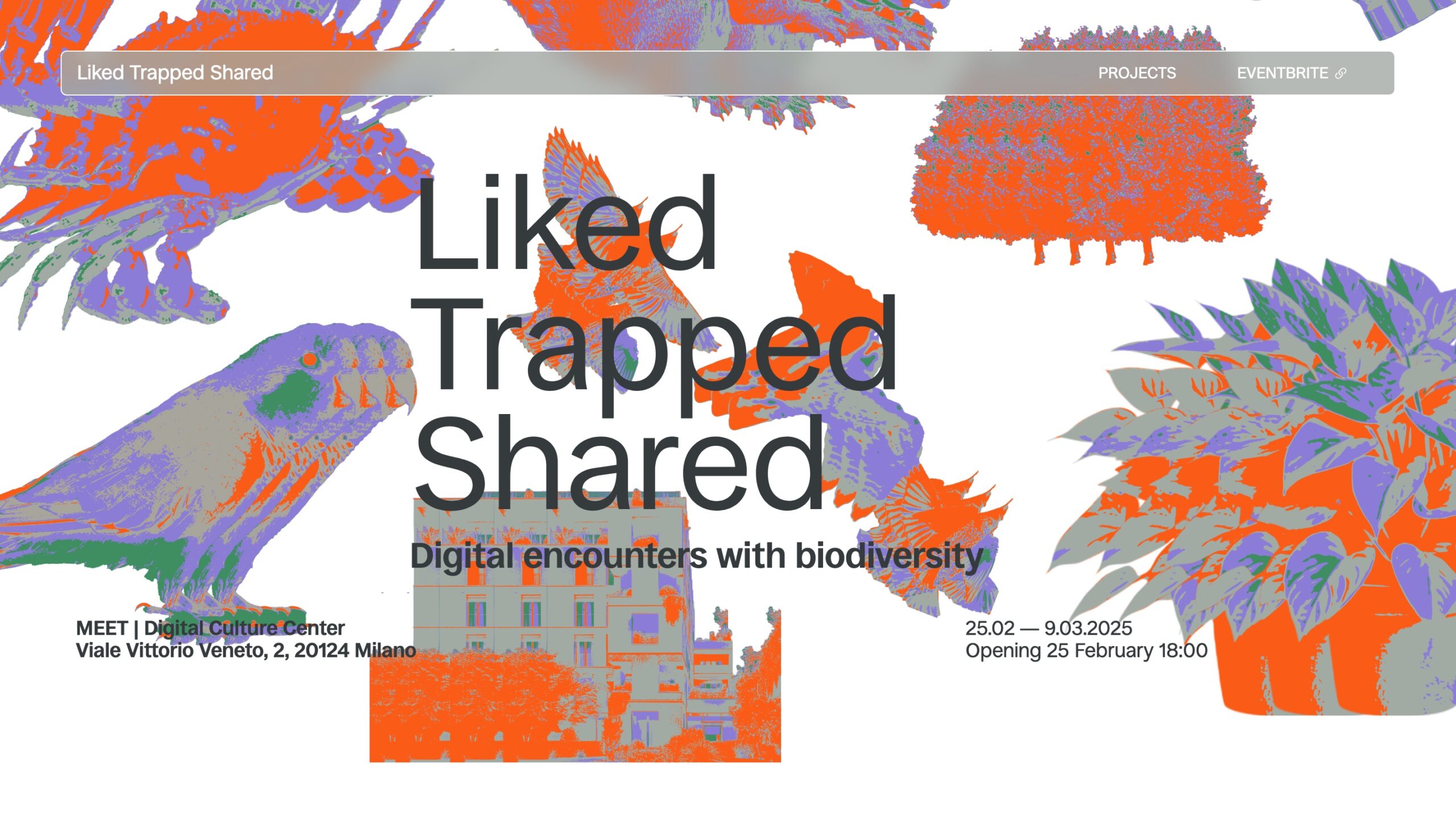
The 2024/2025 edition of the Final Synthesis Design Studio explored how digital technologies shape the relationships between humans and non-human species. Building on the previous edition’s focus on biodiversity, students investigated how animals and plants are represented, discussed, and circulated online, examining the role of digital platforms in shaping our understanding of and interactions with the natural world.
The course followed a three-phase approach. In the first phase, students participated in a Sandbox, an individual exercise focused on experimenting with data visualization through the design of diagrams for Wikipedia. The activity emphasized visual clarity, design quality, and the responsible use of data, encouraging students to contribute to a shared knowledge resource.
In the second phase, students applied digital methods to investigate how online platforms mediate relationships between humans and other species. They collected and analyzed digital traces, exploring how online environments shape the visibility, representation, and perception of biodiversity.
In the final phase, students translated their research into experimental installations, combining data, images, and textual materials collected online to create experiences aimed at engaging broader audiences and encouraging critical reflection on our relationships with the non-human world.
The final projects were presented in Liked, Trapped, Shared: Digital Encounters with Biodiversity, a public exhibition held at the MEET Digital Culture Center in Milan from February 25 to March 9, 2025. The exhibition brought together eight installations developed by over 50 students, exploring the relationships between digital technologies and biodiversity.
Throughout the course, visualization was approached as a tool for producing and sharing knowledge, critically investigating digital environments, and experimenting with new forms of public engagement.
Student outputs
The course produced different types of outputs across its three phases:
- Sandbox: Individual data visualizations designed for Wikipedia, emphasizing visual clarity, data reliability, and contribution to shared knowledge.
- Data as Artefact: Research projects using digital methods to investigate how online platforms shape relationships between humans and non-human species.
- Data Publics: Eight experimental installations presented in the public exhibition Liked, Trapped, Shared, which documents the projects and their research processes.
The exhibition website provides an overview of the final installations and the research behind them.